Hide two

Título de la página: Dale Vida a Málaga con Arte Urbano

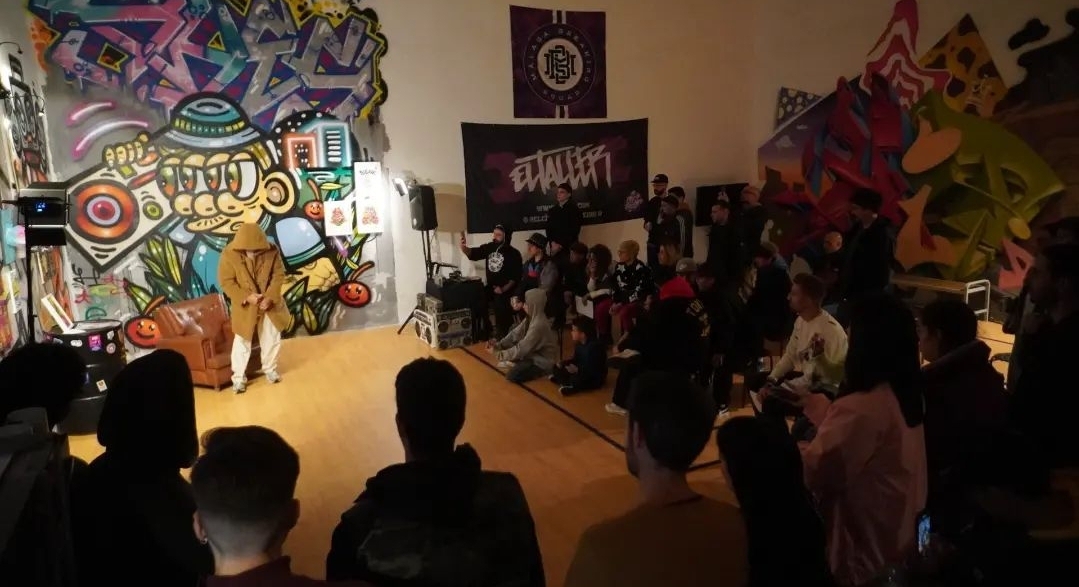
Sumérgete en la vibrante escena artística de Málaga y transforma tu espacio en un lienzo de expresión. En Breaking Art Gallery, contamos con los mejores profesionales del graffiti en la ciudad, brindando un trabajo de alta calidad en cada proyecto.

  1. Málaga se Viste de Arte: Convierte tu negocio en una obra maestra visual que atraiga a los transeúntes y cautive a tus clientes. Nuestros murales de graffiti capturan la esencia de Málaga, fusionando la cultura local con el arte urbano contemporáneo.
  2. Personalización Creativa: Desde la decoración de interiores hasta murales publicitarios que destacan tu marca, estamos aquí para hacer realidad tus ideas más audaces. Cada mural es una creación única y adaptada a tus necesidades, agregando un toque distintivo a tu entorno.
  3. Un Legado de Color: Deja una marca duradera en la ciudad. Nuestros murales embellecen las calles de Málaga, revitalizando los espacios urbanos y añadiendo vida a los rincones menos explorados. Únete a nosotros y sé parte de la transformación artística de la ciudad.
  4. Experiencia Local: Conocemos Málaga como nadie más. Nuestros artistas locales son expertos en capturar la esencia y la identidad de la ciudad en cada mural. Trabajamos en estrecha colaboración contigo para garantizar que el resultado final refleje tus valores y transmita un mensaje impactante.
  5. Descubre el Poder del Arte Urbano: Sumérgete en el mundo del graffiti y déjate llevar por su energía y creatividad. En Breaking Art Gallery, no solo creamos murales, también ofrecemos talleres y eventos donde puedes experimentar y aprender las técnicas del arte urbano de la mano de profesionales apasionados.

¡Únete a la revolución del arte urbano en Málaga! Contacta con nosotros ahora y descubre cómo nuestros murales de graffiti pueden transformar tu espacio y enriquecer la vibrante escena artística de la ciudad.

The City That Never Sleeps

Alan had started from his grandfather’s laboratory, near Riverside Drive in mid-town New York. The date had been May of 1942. His watch, set above the other time-recording instrument on his wrist, told him that his start had been made only a scant half hour before, by his personal consciousness of time. How long ago—how far away that seemed now! There had been a reeling of his senses, the soundless clapping of swiftly alternating light and darkness at the shadowy laboratory windows. Then as his rate of change accelerated, the days and nights had merged into this flat, dead emptiness of gray.

Then the house had abruptly dwindled, thinned out, and disappeared from around him! He had reached a time-era before its construction. Still with greater speed, the shadowy shifting outlines of the great city were in motion, shrinking into smaller and smaller buildings, narrower, shorter roads.
It was a strange transition indeed. And yet to Alan Dane, the strangeness of his own emotions seemed not the least of it. Three years of his life had passed since that night when he had promised his grandfather he would carry on the experiments—three years in which he had lost his grandfather, but gained a wife and son. Ruth Vincent had married him and together they had worked on the fragile thing that he bore now on his back—fragile, but more potent in a strange, incredible way than any other device.

The Sound of Rain

Alan had started from his grandfather’s laboratory, near Riverside Drive in mid-town New York. The date had been May of 1942. His watch, set above the other time-recording instrument on his wrist, told him that his start had been made only a scant half hour before, by his personal consciousness of time. How long ago—how far away that seemed now! There had been a reeling of his senses, the soundless clapping of swiftly alternating light and darkness at the shadowy laboratory windows. Then as his rate of change accelerated, the days and nights had merged into this flat, dead emptiness of gray.

“His watch, set above the other time-recording instrument on his wrist, told him that his start had been made only a scant half hour before.”

Then the house had abruptly dwindled, thinned out, and disappeared from around him! He had reached a time-era before its construction. Still with greater speed, the shadowy shifting outlines of the great city were in motion, shrinking into smaller and smaller buildings, narrower, shorter roads. It was a strange transition indeed. And yet to Alan Dane, the strangeness of his own emotions seemed not the least of it. Three years of his life had passed since that night when he had promised his grandfather he would carry on the experiments—three years in which he had lost his grandfather, but gained a wife and son. Ruth Vincent had married him and together they had worked on the fragile thing that he bore now on his back—fragile, but more potent in a strange, incredible way than any other device.

Three years of his life had passed since that night when he had promised his grandfather he would carry on the experiments—three years in which he had lost his grandfather, but gained a wife and son. Ruth Vincent had married him and together they had worked on the fragile thing that he bore now on his back—fragile, but more potent in a strange, incredible way than any other device.

The Shape of Water

Alan had started from his grandfather’s laboratory, near Riverside Drive in mid-town New York. The date had been May of 1942. His watch, set above the other time-recording instrument on his wrist, told him that his start had been made only a scant half hour before, by his personal consciousness of time. How long ago—how far away that seemed now! There had been a reeling of his senses, the soundless clapping of swiftly alternating light and darkness at the shadowy laboratory windows. Then as his rate of change accelerated, the days and nights had merged into this flat, dead emptiness of gray.

Then the house had abruptly dwindled, thinned out, and disappeared from around him! He had reached a time-era before its construction. Still with greater speed, the shadowy shifting outlines of the great city were in motion, shrinking into smaller and smaller buildings, narrower, shorter roads.
It was a strange transition indeed. And yet to Alan Dane, the strangeness of his own emotions seemed not the least of it. Three years of his life had passed since that night when he had promised his grandfather he would carry on the experiments—three years in which he had lost his grandfather, but gained a wife and son. Ruth Vincent had married him and together they had worked on the fragile thing that he bore now on his back—fragile, but more potent in a strange, incredible way than any other device.